How Youth Participation Is Changing Indian Politics

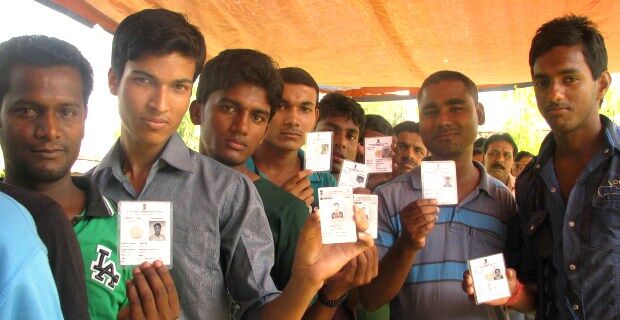
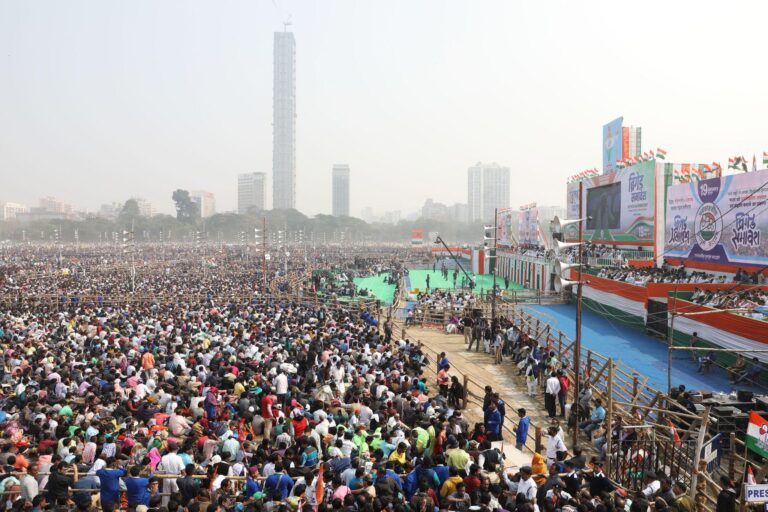
India’s political environment is seeing a generational shift. Young voters are no longer silent observers—they’re active participants shaping discussions, priorities, and outcomes.
First-time voters are more issue-focused than ideology-driven. Employment, education quality, startup support, and digital opportunities rank high in their expectations. Instead of traditional political loyalty, many evaluate leaders based on visible work and long-term vision.
Social media plays a powerful role here. Political messaging, awareness campaigns, and debates now unfold in real time. Young citizens fact-check, question, and respond instantly, making accountability more visible.
Another noticeable change is grassroots participation. Youth groups are volunteering in civic initiatives, awareness campaigns, and policy discussions. They’re not just voting—they’re engaging.
Education institutions are also becoming discussion hubs. Conversations around public policy, sustainability, and governance are more common than before. This exposure builds informed participation.
However, misinformation remains a challenge. The speed of digital communication can spread half-truths quickly. Media literacy and critical thinking are essential for meaningful political engagement.
The influence of youth isn’t temporary—it’s structural. With a large population entering voting age every year, policies will increasingly reflect their aspirations.
For the future, political leaders who listen, adapt, and communicate transparently will build stronger connections with this generation.

NIKHIL SHARMA
Content Creator | Web DeveloperI turn ideas into digital momentum using words, strategy, and smart tools. I help brands travel beyond borders and stay remembered. Brand Strategist | Content & Web Expert worldwide!!!.
Continued Reading
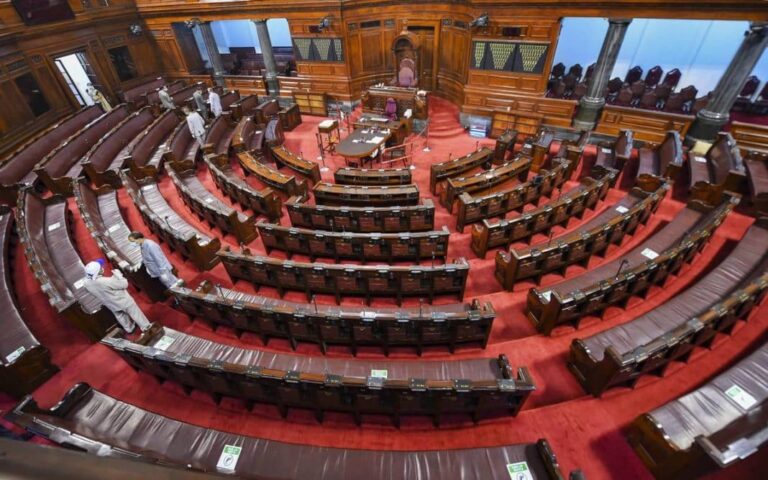
Rajya Sabha Elections Announced Across 10 States: A Key Political Test Ahead