India’s Evolving Political Landscape and What It Means for Citizens

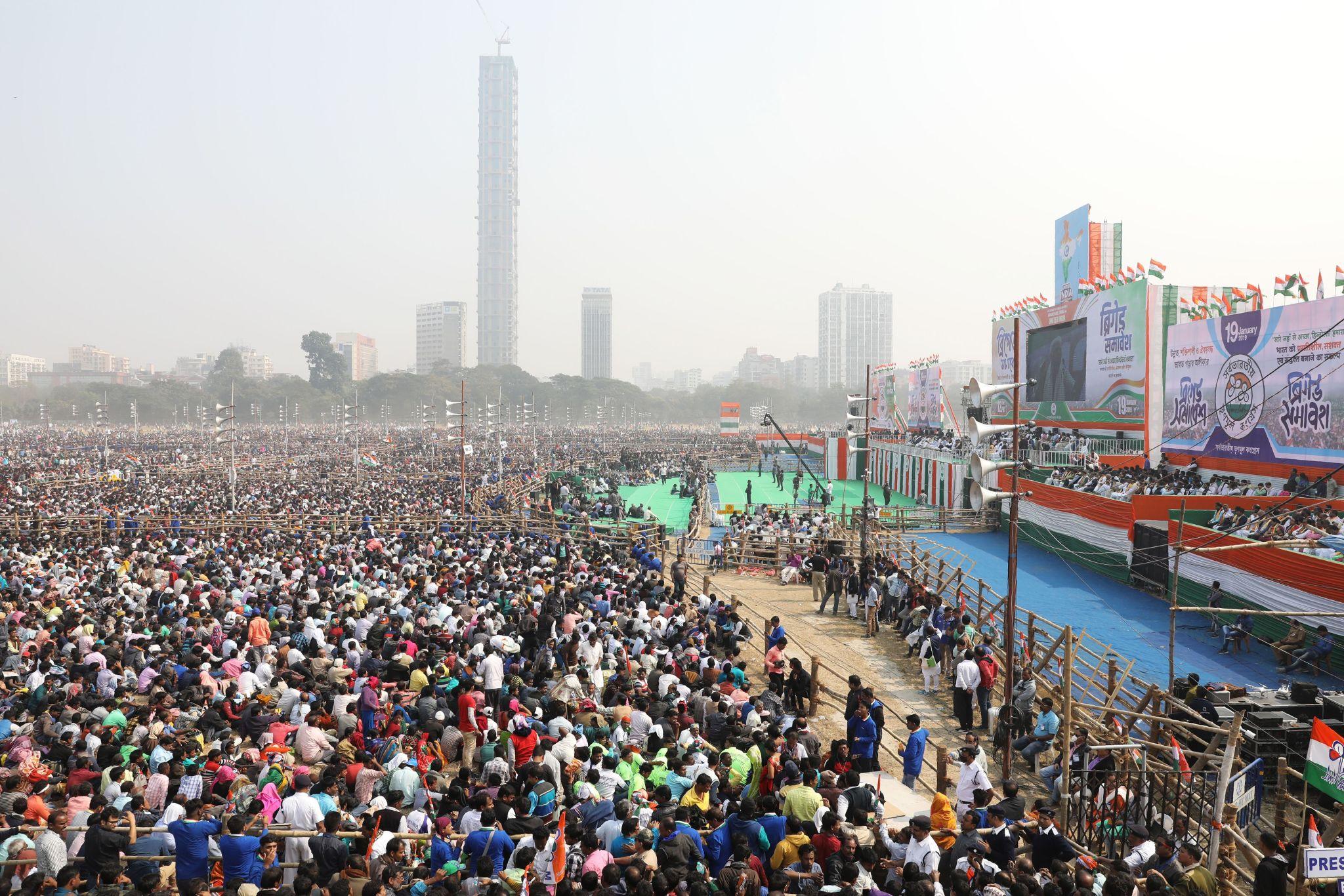
India’s political environment is shifting rapidly as governance priorities, voter expectations, and digital communication reshape how democracy functions. For citizens, understanding these changes is no longer optional—it directly affects jobs, education, infrastructure, and everyday decision-making.
One noticeable shift is the growing role of data-driven campaigning. Political parties now rely on analytics, social media sentiment, and regional insights to connect with voters. This makes elections more targeted but also increases the importance of media literacy. Voters must learn to verify information before forming opinions.
Policy focus is also evolving. Infrastructure, digital economy, employment generation, and sustainability have become central talking points. Urban voters prioritize smart cities, public transport, and startup ecosystems, while rural communities focus on agriculture support, healthcare access, and rural employment schemes.
Young voters are playing a bigger role than ever. With a large population under 35, political narratives increasingly revolve around entrepreneurship, education reforms, and opportunities in emerging sectors like AI, electric mobility, and manufacturing.
Another major trend is the rise of regional influence. State-level politics now strongly impacts national outcomes. Regional parties are shaping coalition strategies, policy priorities, and governance models, making Indian democracy more decentralized.
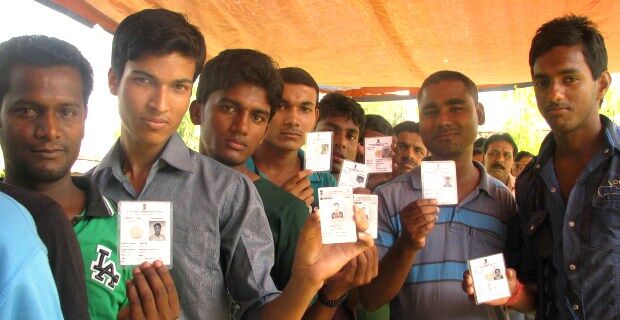
Digital governance is another key development. Services like digital identity, online welfare delivery, and e-governance platforms are changing how citizens interact with the state. These initiatives aim to reduce corruption, improve transparency, and increase accessibility.
However, challenges remain. Political polarization, misinformation, and economic inequality continue to shape public discourse. Citizens are increasingly aware of these issues and are demanding accountability and measurable results.
For voters, the most practical step is staying informed. Follow policy updates, understand manifestos, and evaluate outcomes—not just promises. Participation in discussions, civic engagement, and local governance strengthens democracy at the grassroots level.
India’s political story is still unfolding. As the country balances growth, inclusion, and innovation, the decisions made today will shape the future for decades. Citizens who stay engaged and informed will be best positioned to influence that future.

NIKHIL SHARMA
Content Creator | Web DeveloperI turn ideas into digital momentum using words, strategy, and smart tools. I help brands travel beyond borders and stay remembered. Brand Strategist | Content & Web Expert worldwide!!!.
Continued Reading
Rajya Sabha Elections Announced Across 10 States: A Key Political Test Ahead